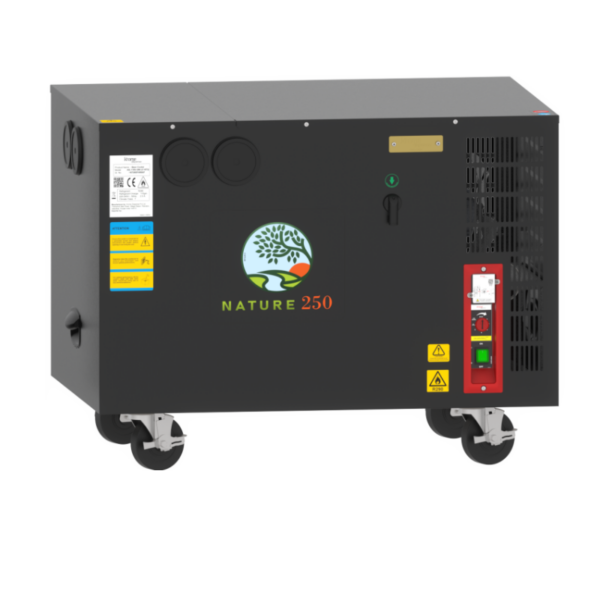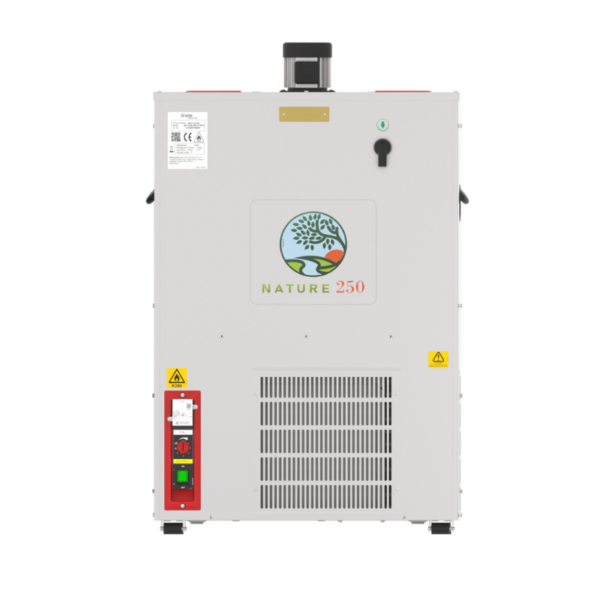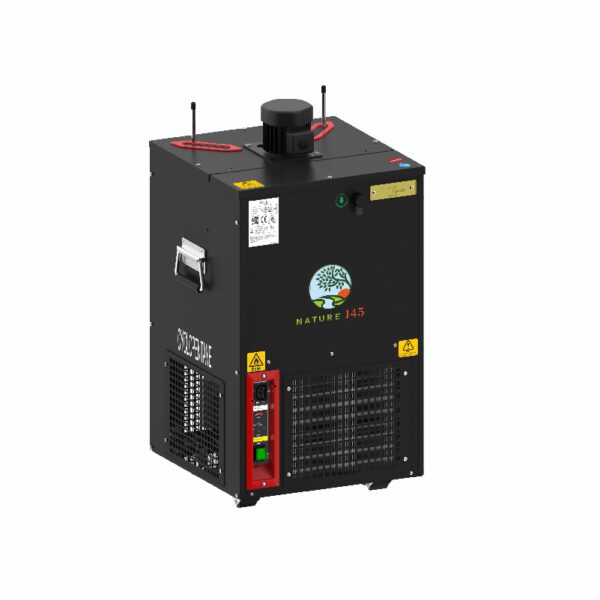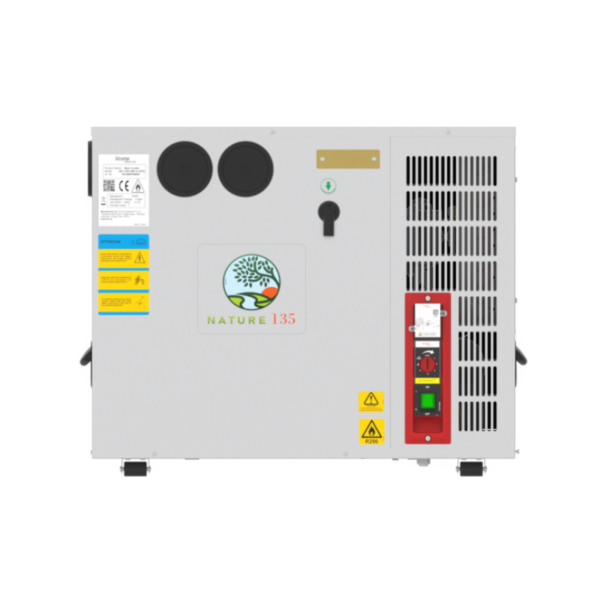

Nature 115 – Beer Flash Chiller-C1572x1 or beer cooler fridge
Nature Series Beer Line chiller comes with New Beer cooler fridge with Eco-Friendly R290 Refrigerant. This type of Refrigerant uses less energy and offer better beer cooling performance.
These Ice bank best beer chillers under counter are manufactured using European components and the latest in production methods, our beer ice banks are specifically designed for tropical weather conditions, Nature 115 Ice Bank best beer cooler fridge with single coil have extra long beer coils to ensure the beer is dispensed at the optimum temperature in beer Chiller. Crafting bespoke designs at Krome Dispense for a personalized touch to your experience.
Ice bank is formed in a water tank of the machine and helps to cool the beer coils and beer itself within coils.
These models are built with European condensers and compressors to ensure years of high performance with no faults and Service issues.
- Upgradeable 1 to 6 beer lines.
- Compressor 1/3 HP
- 22 mm thick insulation.
- Stainless steel 304 beer lines
- Cooling capacity 115 ltr/hr at 22°C to 4°C
- Environment friendly gas R290 refrigerant causes less harm to mother nature
- Stainless Steel base that has anti rust properties
- Base have little height due to pad stand, Prevents it from floor water contact
- Technical maintenance makes very easy with special opening from every side
- SS304 beer coils with 8 mm OD and 7 mm ID
- 2 years limited Warranty
What type of cooling system is used in this beer cooler?
This unit uses an ice bank cooling system with a stainless steel coil immersed in chilled water. The ice bank stores thermal energy, allowing consistent cooling even during peak dispensing periods.
Is a single-coil system sufficient for commercial applications?
A single-coil system is suitable for controlled dispensing setups and moderate to high demand environments. For multi-product or very high-volume systems, multi-coil configurations may be considered.
How does the ice bank capacity impact performance?
The 15 kg ice bank acts as a thermal buffer, ensuring stable cooling during continuous dispensing. A larger ice bank improves recovery time and maintains consistent output temperature under load.
What is the recovery time of the cooling system?
Recovery time depends on ambient conditions and usage, but the 1/3 HP compressor combined with the ice bank ensures efficient regeneration of the cooling reserve between dispensing cycles.
How does this unit perform in high ambient temperatures?
The system is designed to operate reliably in demanding environments. The combination of R290 refrigerant and ice bank technology helps maintain stable cooling even in high ambient conditions.
Is this suitable for long-draw draft beer systems?
Yes, with a pump displacement of 7–8 metres, the unit supports long-draw configurations where the cooling system is installed away from the serving point.
How is temperature stability maintained during continuous dispensing?
Temperature stability is achieved through the ice bank, which provides a consistent cooling source independent of compressor cycling, reducing temperature fluctuations.
What are the advantages of using R290 refrigerant in commercial setups?
R290 offers higher energy efficiency, lower environmental impact, and improved thermodynamic performance compared to traditional refrigerants.
What maintenance is required for long-term performance?
Routine maintenance includes cleaning the water tank, inspecting coils, checking refrigerant performance, and ensuring proper insulation of beer lines for optimal efficiency.
How does pump displacement affect system design?
Pump displacement determines how far the beer can be transported from the cooling unit to the tap. A 7–8 metre range supports flexible installation layouts in commercial environments.
Can this unit be integrated into existing draft systems?
Yes, it is compatible with standard draft beer systems and can be integrated into most commercial setups with minimal modifications.
What role does the water tank capacity play?
The 36-litre water tank supports stable ice bank formation and helps maintain consistent cooling performance during continuous operation.
How does this system compare to direct expansion cooling?
Ice bank systems provide better stability under fluctuating loads, while direct expansion systems may struggle during peak demand due to lack of thermal storage.
What are the key factors for selecting a beer cooler in breweries?
Important factors include cooling capacity, ice bank size, pump displacement, energy efficiency, material durability, and compatibility with system layout.
Features
- Upgradeable 1 to 6 beer lines.
- Compressor 1/3 HP
- 22 mm thick insulation.
- Stainless steel 304 beer lines
- Cooling capacity 115 ltr/hr at 22°C to 4°C
- Environment friendly gas R290 refrigerant causes less harm to mother nature
- Stainless Steel base that has anti rust properties
- Base have little height due to pad stand,Prevents it from floor water contact
- Technical maintenance makes very easy with special opening from every side
- SS304 beer coils with 8 mm OD and 7 mm ID
- 2 years limited Warranty